What Roof Removal Involves and When It’s Necessary
People searching for what roof removal involves and when it’s necessary can rely on local contractors to safely and efficiently remove and replace their roofs as needed.
Understanding what roof removal involves and when it’s necessary can help property owners make informed decisions about their buildings’ maintenance and renovation needs. Whether planning a major upgrade, addressing structural issues, or preparing for a new roof installation, knowing the basics of the removal process ensures homeowners and property managers are better equipped to work with local contractors. These professionals specialize in safely and efficiently handling roof removal tasks, providing peace of mind during what can be a complex project. Keep reading to explore the practical reasons why roof removal might be needed and how local service providers can assist throughout each step.
For many property owners, exploring this topic is a practical step toward maintaining or improving their property’s safety and integrity. Sometimes, roof removal is necessary due to damage, age, or the need for upgrades that improve energy efficiency or aesthetics. Local contractors understand the specific requirements of different roofing systems and can help determine when removal is the right course of action. By learning more about what roof removal involves and when it’s needed, property owners can better prepare for the process and ensure they work with qualified professionals who can handle the job properly.
- Complete roof removal - needed when a roof has extensive damage or deterioration that requires replacing the entire structure, with local contractors carefully dismantling and disposing of old materials.
- Partial roof removal - necessary when only certain sections of a roof need replacement due to localized issues, with service providers removing affected areas to prepare for repairs or upgrades.
- Roof tear-off for remodeling - performed during home renovations that involve changing the roof design or structure, with pros ensuring proper removal to facilitate new construction.
- Asbestos roof removal - required when older roofs contain hazardous materials, with specialists safely removing and disposing of dangerous substances according to safety protocols.
- Storm or wind damage roof removal - needed after severe weather events cause damage, with local contractors quickly removing compromised roofing to prevent further issues.
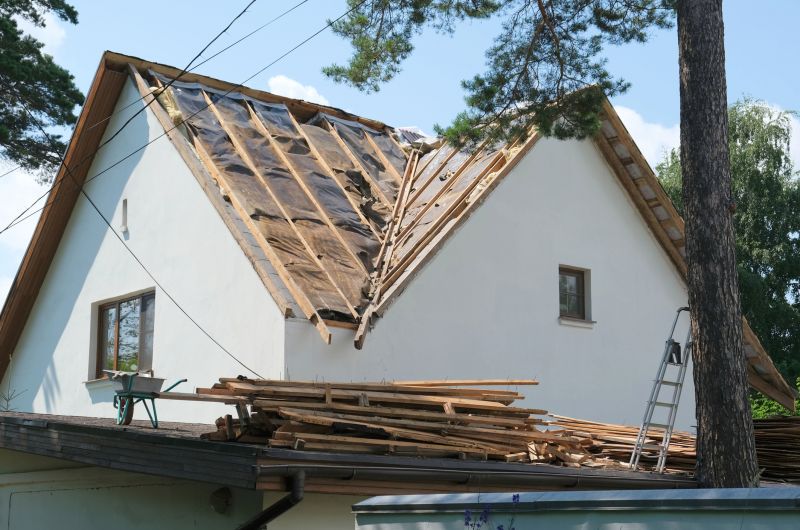
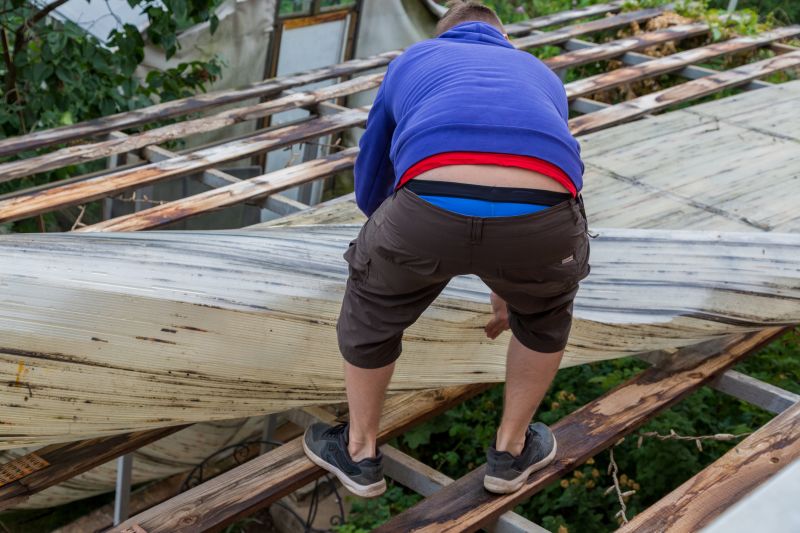
When people search for information about what roof removal involves and when it’s necessary, they are often considering major renovation or replacement projects. Roof removal typically refers to the process of carefully taking off an existing roof structure, whether for repairs, upgrades, or complete replacement. Homeowners may be planning to update an aging roof that has become damaged or leaks frequently, or they might be preparing for a new roofing material that requires the old one to be fully removed first. In some cases, roof removal is part of a larger remodeling project, such as converting an attic or adding extra living space beneath the roof. Understanding what this process entails helps homeowners grasp the scope of work involved and when it’s essential to bring in experienced local contractors.
The need for roof removal often arises when the existing roof has reached the end of its lifespan or suffers from extensive damage. Common problems include persistent leaks, widespread rot, or structural issues that cannot be repaired effectively without removing the old roofing layers. Additionally, some property owners may opt for roof removal if they are changing the roof’s design or upgrading to a different material, such as switching from asphalt shingles to metal or tile. The decision to remove a roof can also be driven by the desire to inspect and repair underlying structures, such as rafters or decking, which might be compromised over time. In these situations, local service providers who specialize in roof removal can assess the condition of the existing roof and determine whether removal is necessary to ensure the safety and longevity of the new roofing system.
Properties that typically come up in discussions of roof removal include residential homes, especially those with older or damaged roofs. Single-family houses, duplexes, and small apartment buildings are common candidates for roof removal when repairs or replacements are needed. Commercial properties, such as retail stores or office buildings, may also require roof removal during renovations or when upgrading to more durable or energy-efficient roofing systems. The material and design of the existing roof influence the complexity of removal; for example, flat roofs with multiple layers or built-up roofing can present different challenges compared to pitched, shingled roofs. Regardless of the property type, local contractors experienced in roof removal can provide the expertise needed to handle these projects efficiently, ensuring the old roofing is removed safely and prepared for the new installation.
Understanding what roof removal involves and when it’s necessary helps homeowners make informed decisions about their property projects. It is a process that requires careful planning and execution to avoid damage to underlying structures and to ensure the new roof will perform effectively. Whether driven by age, damage, or a desire for a different roofing style, roof removal is a critical step that often involves specialized tools and techniques. Connecting with experienced local service providers who focus on roof removal ensures that the job is done properly, minimizing potential issues and laying a solid foundation for the next phase of roofing work. These professionals can assess the specific needs of each property and guide homeowners through the process, making sure the project aligns with their renovation goals.
Roof framing replacement - involves removing and replacing the structural framework of a roof, requiring similar planning and tools as roof removal projects.
Attic insulation removal - often requires careful handling and disposal, paralleling the process of roof removal in terms of access and safety considerations.
Gutter and fascia replacement - involves working at roof edges and requires similar safety precautions and access methods as roof removal services.
Roof deck repairs - includes removing damaged decking to prepare for new roofing, aligning closely with roof removal techniques and planning.
Chimney removal or modification - involves demolition and structural work near the roofline, requiring similar skill sets as roof removal projects.
Skylight installation or removal - entails cutting into the roof structure, which shares planning and safety considerations with roof removal services.
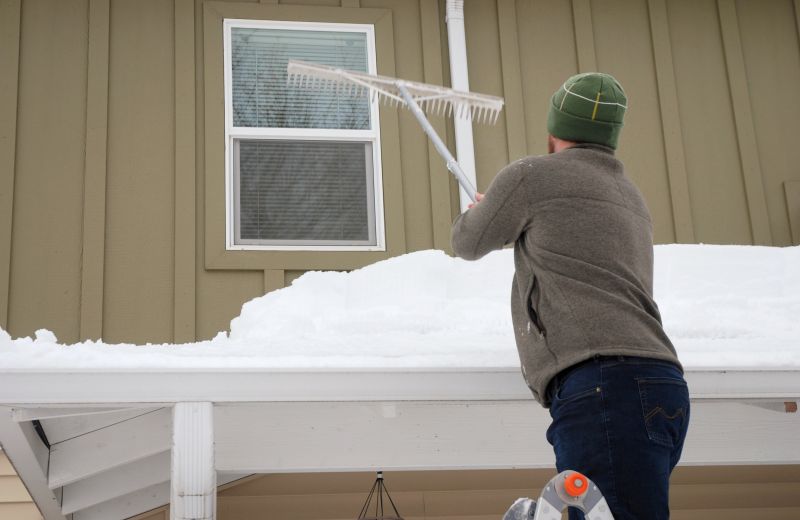
When evaluating local contractors for roof removal services, it’s important to consider their experience with similar projects. An experienced service provider will have a clear understanding of what roof removal involves and when it’s necessary, ensuring they can handle the unique challenges of your specific roof type and situation. Homeowners should inquire about the number of comparable projects completed and whether the contractor has a solid track record of successful roof removals, as this can provide insight into their familiarity with the process and potential issues that may arise.
Clear, written expectations are essential when comparing local pros for roof removal. A reputable contractor should be able to provide detailed explanations of the work involved, including the scope of removal, safety precautions, cleanup procedures, and any necessary permits or inspections. Having this information in writing helps ensure both parties are aligned on what the project entails and reduces the likelihood of misunderstandings. It’s also beneficial to ask for references from past clients who can verify the contractor’s ability to deliver quality work and communicate effectively throughout the project.
Good communication and reputable references are key indicators of a dependable service provider. Homeowners should seek out local contractors who are responsive to questions and willing to provide comprehensive information about their experience and approach. Checking references or reviews from previous clients can offer valuable insights into the contractor’s reliability, professionalism, and overall quality of work. When contractors demonstrate transparency, listen carefully to homeowner concerns, and maintain open lines of communication, it often reflects their commitment to delivering a smooth and well-managed roof removal process.
Property owners often search for what roof removal involves and when it’s necessary when they are planning practical projects around their homes and businesses. Local pros provide Roof Removal services for everyday jobs and straightforward project options.
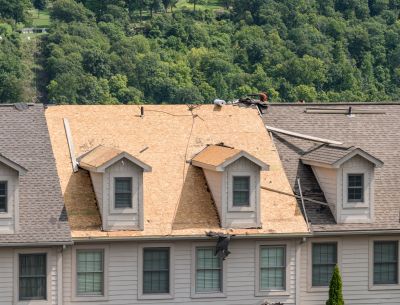
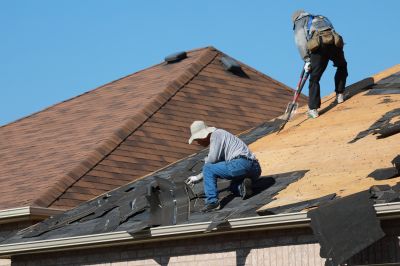
Understanding what roof removal involves and when it’s necessary can help property owners make informed decisions about their roofing projects. Typically, roof removal is needed when old or damaged roofing materials must be completely taken off to prepare for a new installation. Common situations include extensive storm damage, persistent leaks that cannot be repaired, or the need to replace a worn-out roof that has reached the end of its lifespan. In these cases, local contractors can provide the expertise needed to safely remove the existing roof, ensuring the underlying structure is sound before new materials are installed.
Homeowners often seek roof removal services when planning a roof replacement or renovation. It may also be required if there are issues like mold, rot, or structural concerns beneath the surface that cannot be addressed without removing the existing roof layers. Property owners who notice signs of severe damage or deterioration may look into professional roof removal to facilitate a thorough and effective upgrade. Connecting with experienced service providers ensures the job is handled properly, whether for repairs or full replacements, helping to protect the property’s integrity and longevity.
What does roof removal involve? Roof removal involves carefully taking down the existing roofing materials, such as shingles, underlayment, and decking, to prepare for a new roof installation. Local contractors use specialized tools and techniques to ensure the process is safe and efficient.
When is roof removal necessary? Roof removal is typically necessary when the existing roof is severely damaged, has multiple layers of old material, or is being replaced due to age or structural issues. Service providers can assess whether removal is needed based on the condition of the current roof.
Are there different types of roof removal? Yes, roof removal can vary depending on the roofing system and the extent of work required. Some projects involve complete removal of all roofing layers, while others may only require partial removal or repairs to specific sections, handled by local contractors.
What are the signs that indicate roof removal is needed? Signs include extensive damage, leaks, sagging, or visible deterioration of roofing materials. A professional assessment from local service providers can determine if roof removal is the best course of action.
Can roof removal be combined with other roofing services? Yes, roof removal is often combined with replacement or re-roofing services. Local contractors can handle the entire process, ensuring the new roof is properly installed after the removal of the old materials.
Assessing roof condition - Property owners can evaluate signs of damage or aging to determine if roof removal is needed before installing a new roof.
Understanding removal techniques - Knowing what roof removal involves helps property owners plan for the process when working with local contractors.
Identifying when removal is necessary - Recognizing situations such as extensive damage or structural issues can guide property owners to seek roof removal services.
Planning for disposal and cleanup - Considering how debris will be managed ensures a smooth and efficient roof removal process with local service providers.
If you are thinking about what roof removal involves and when it’s necessary for a property, this guide is meant to help you understand this topic, the typical project types, and how different options might fit your plans.
When you are ready, you can use the quote form on this page to share a few details about your project. From there, local pros can review the basics and follow up with options that match what you have in mind.